A blue house that changed art history
Inside Casa Azul, private life and public history meet in a way that still feels urgent, intimate, and deeply alive.
Table of Contents
Casa Azul before Frida
Before it became one of the most visited artist homes in the world, Casa Azul was part of a quiet residential Coyoacan that still felt almost separate from the fast-growing capital. Built in the early 20th century by Frida's father, Guillermo Kahlo, the house reflected a middle-class family world marked by discipline, culture, and curiosity. Its thick walls, interior patios, and practical layout were designed for everyday life, not for mythology. Yet those ordinary rooms would eventually become the stage for one of modern art's most extraordinary biographies.
What makes Casa Azul so compelling today is that the building never fully abandoned that domestic spirit. Even as its story expanded from private house to national symbol, traces of family life remained: the rhythm of shared meals, the presence of books and photographs, and the feeling that personal memory lives in architecture. Visiting the museum now, you can sense both timelines at once, the intimate home and the cultural monument, layered together in a way that feels almost cinematic.
Frida's childhood and family roots
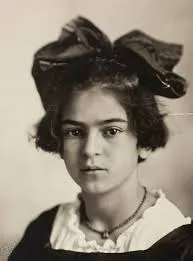
Frida Kahlo was born in 1907 and grew up in Casa Azul in a family where art, photography, language, and political discussion were present from an early age. Her father, a photographer of German-Hungarian origin, encouraged observation and visual sensitivity. Her mother brought a different cultural grounding linked to Mexican traditions and Catholic practices. That dual inheritance, international and deeply local, would later shape Frida's visual language and sense of self.
As a child, Frida survived polio, an experience that marked her physically and emotionally but also sharpened her determination. She was known for her intelligence, humor, and rebellious independence, traits that remained central throughout her life. In many ways, Casa Azul witnessed the formation of this strong and contradictory personality: vulnerable yet defiant, intimate yet performative, rooted in family yet always pushing beyond inherited expectations.
The accident that changed everything
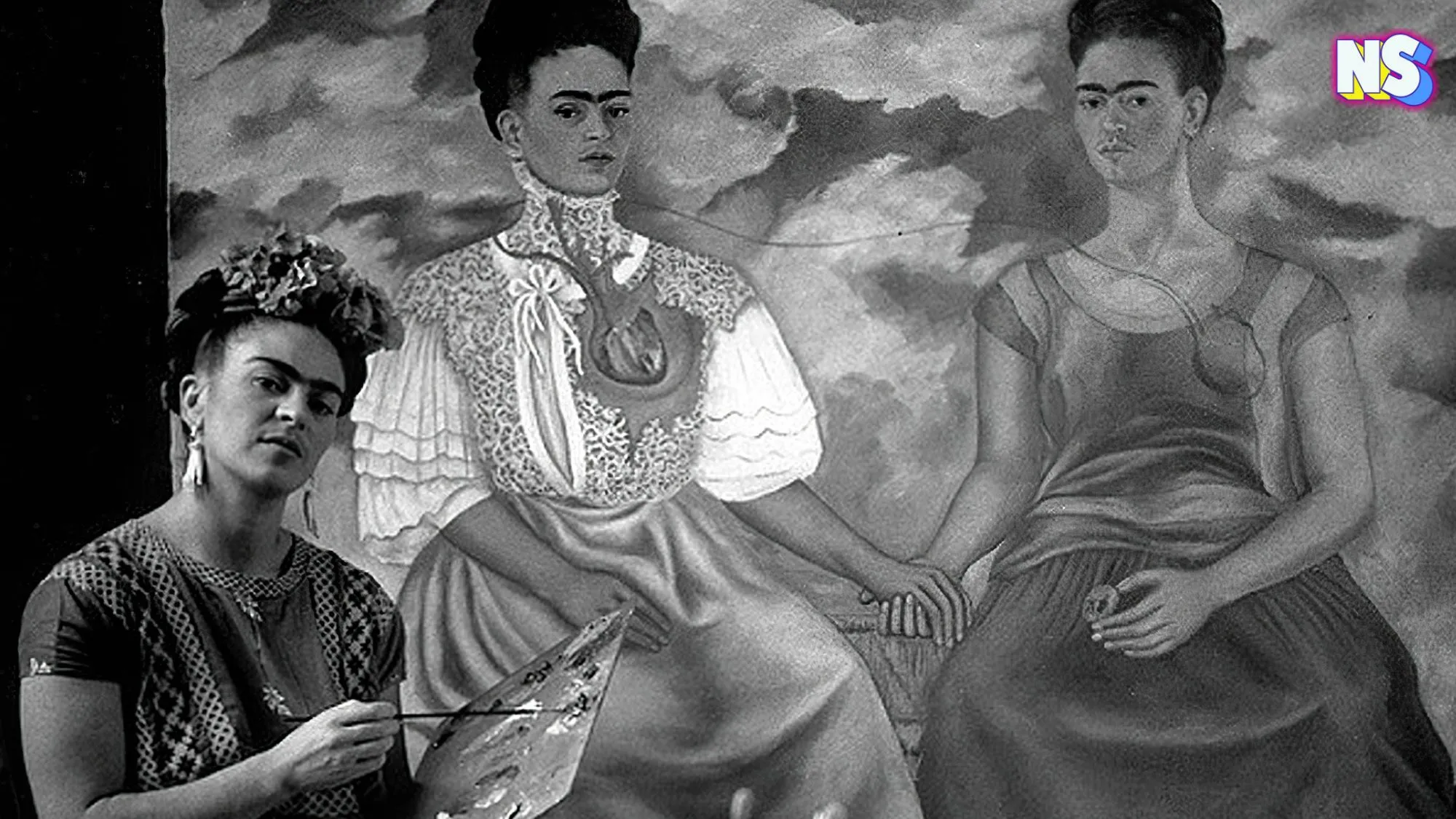
In 1925, at just eighteen, Frida suffered a devastating bus accident that left her with severe injuries and lifelong chronic pain. The physical trauma transformed the course of her life. During long periods of immobilization, she began painting seriously, often using a mirror positioned above her bed. What started as a practical way to pass painful months became a radical artistic voice that placed her own body and identity at the center of modern painting.
This turning point is essential to understanding both Frida and Casa Azul. The house became not only a place of recovery but also a site of invention, where medical reality, emotional struggle, and creative experimentation merged. Her braces, corsets, and adapted furniture, some preserved in museum displays, are not just biographical details. They are evidence of how Frida converted suffering into language, image, and symbolic power.
Frida and Diego: love, art, and politics
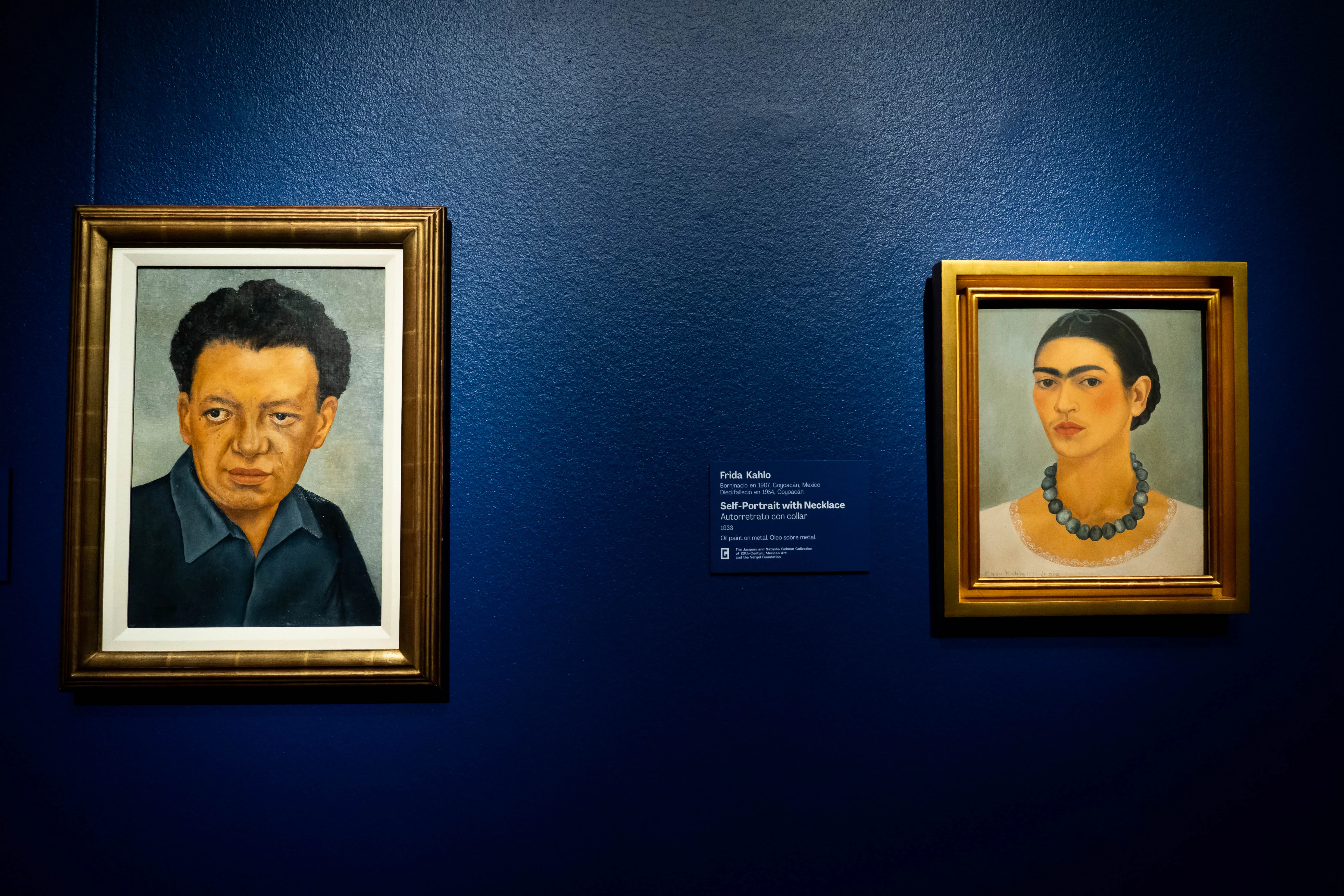
Frida married muralist Diego Rivera in 1929, beginning one of the most famous and turbulent artistic partnerships of the 20th century. Their relationship was filled with admiration, collaboration, infidelity, separation, reunion, and relentless creative exchange. They lived in different houses at various moments, but Casa Azul remained emotionally central, especially in Frida's later years.
Together, Frida and Diego moved within circles of artists, intellectuals, and political activists who believed art should speak to social reality, indigenous heritage, and anti-colonial identity. Their home welcomed visitors from around the world, including major cultural and political figures. At Casa Azul, personal life and public ideology were never fully separate, and that fusion still defines the museum's atmosphere today.
Pain, identity, and self-portraiture
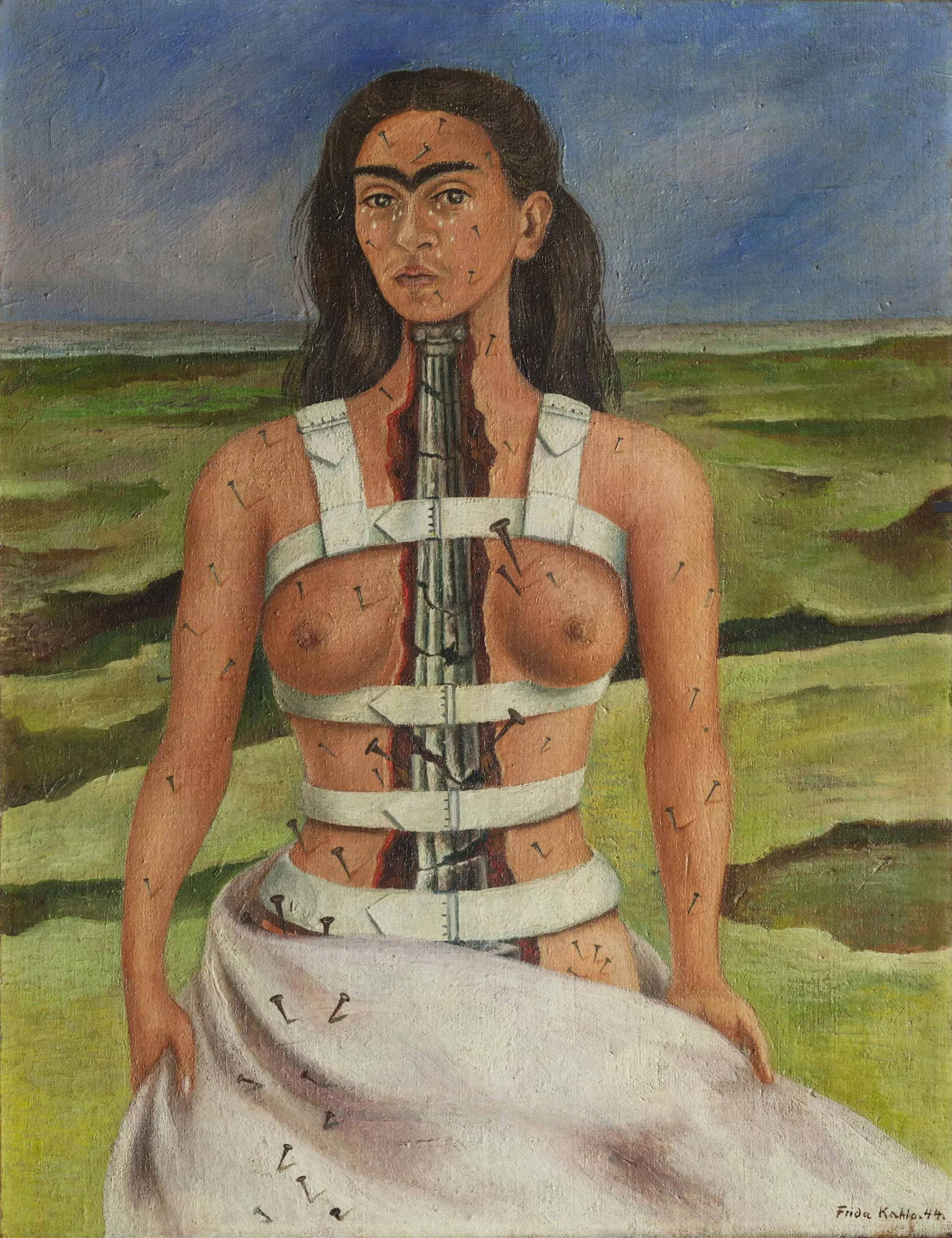
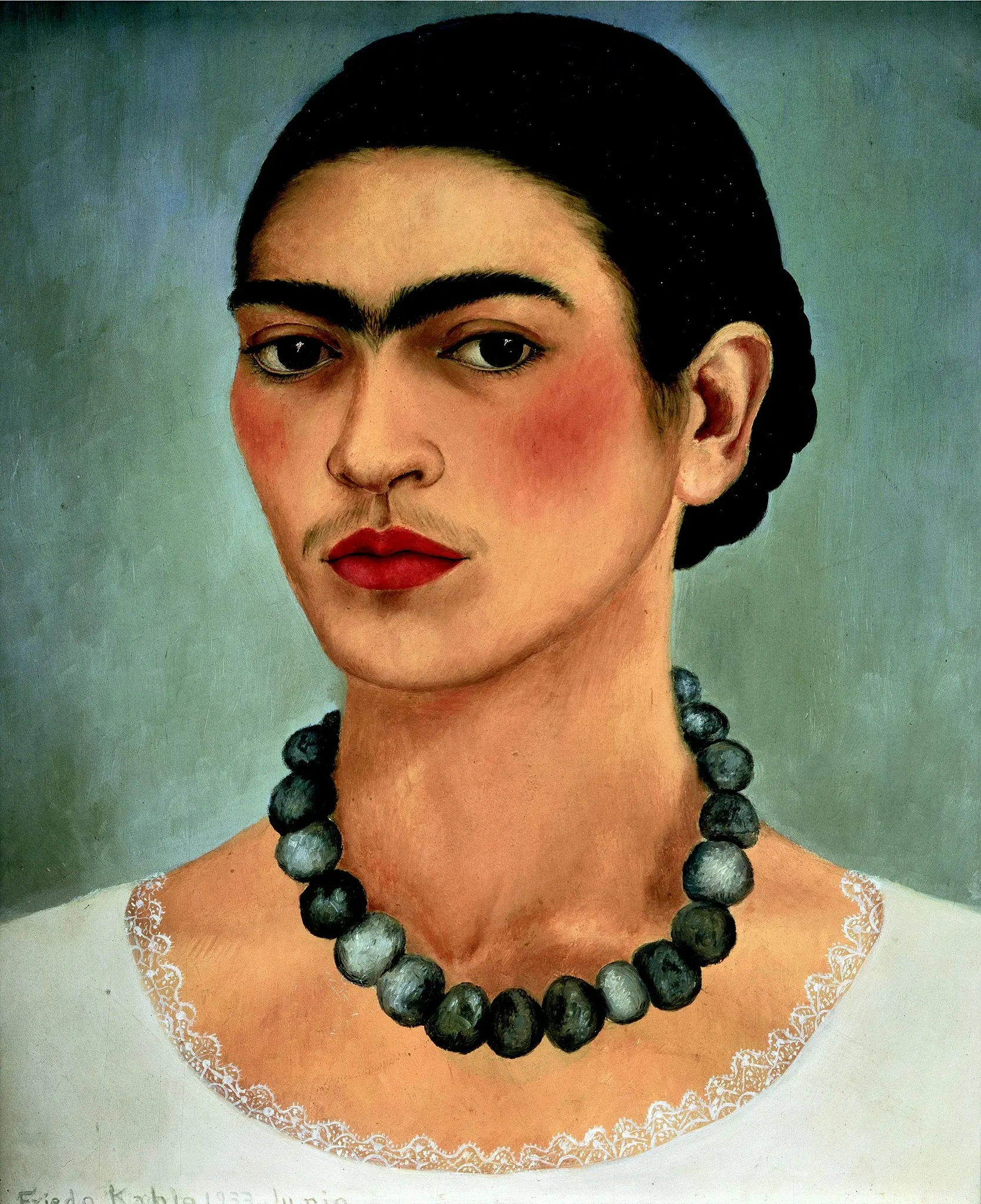
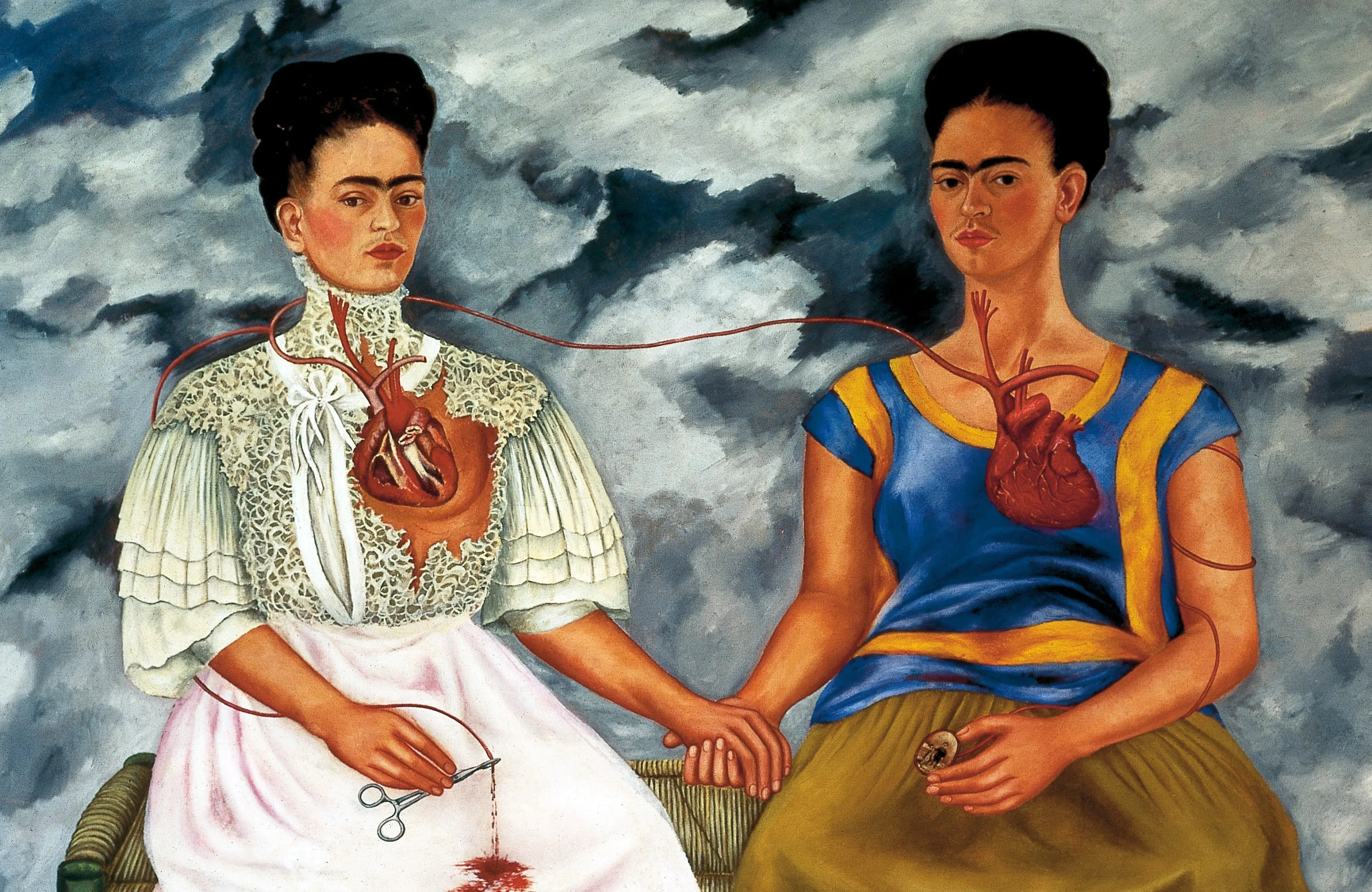
Frida's work is often introduced through her self-portraits, but those paintings are far more than autobiography. They are carefully constructed visual essays about gender, nation, disability, desire, grief, and survival. She painted herself repeatedly not from vanity, as she famously said, but because she was the subject she knew best. Every gaze, costume, animal symbol, and landscape element carried intentional meaning.
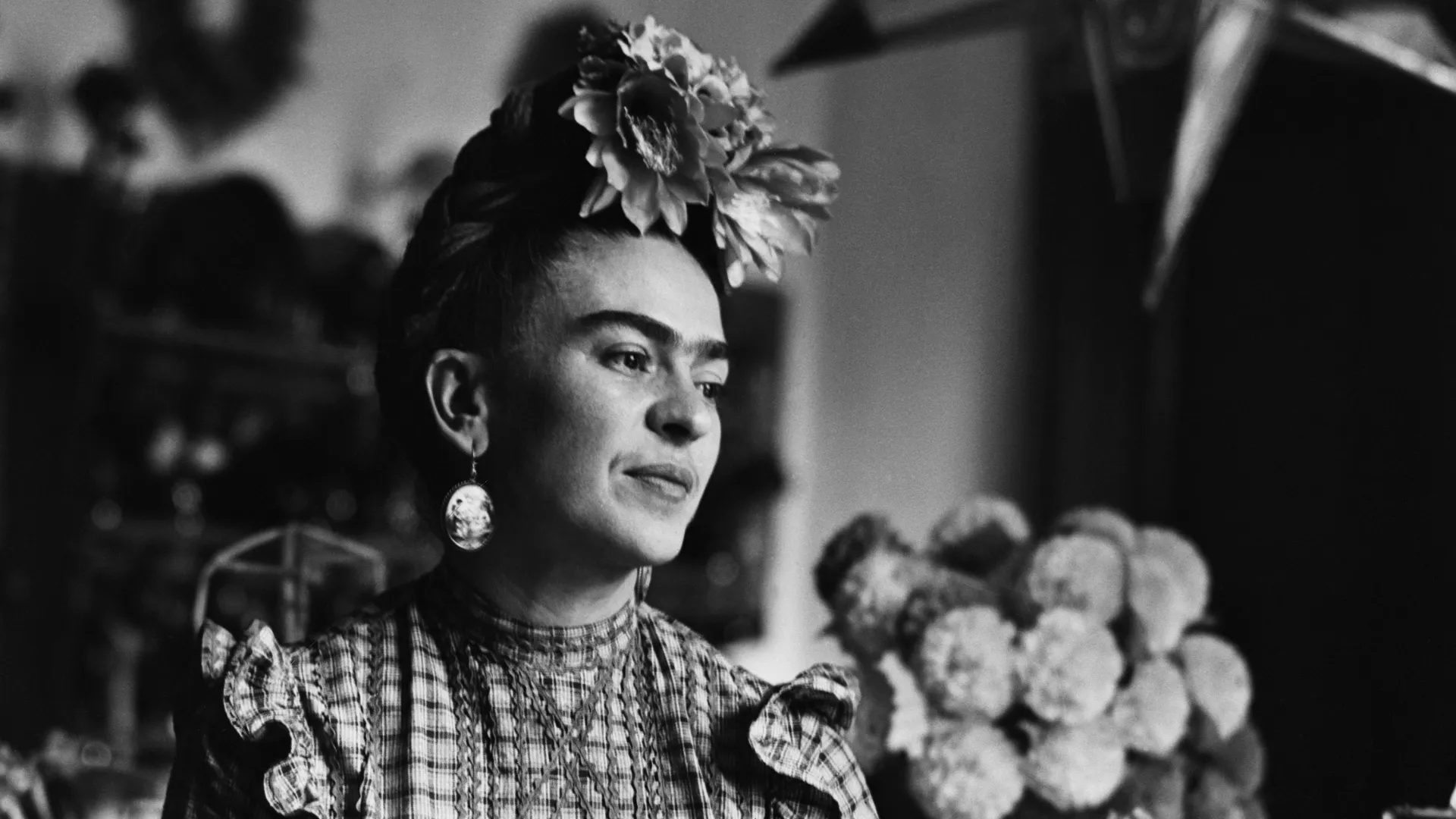
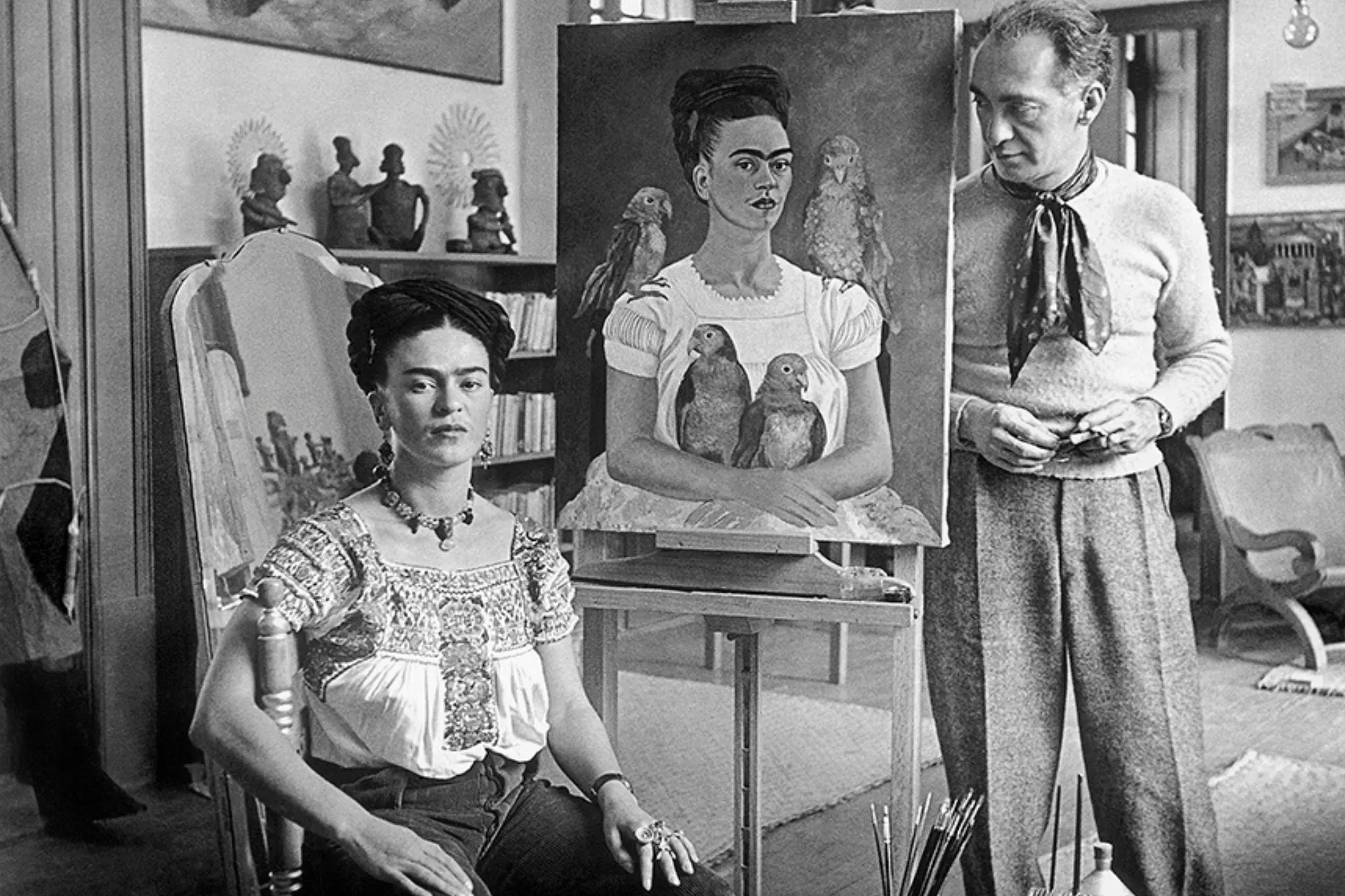
Inside Casa Azul, these themes feel tangible. You can see the textures, colors, and objects that informed her imagery: Tehuana dresses, folk crafts, religious icons, botanical forms, and fragments of pre-Hispanic aesthetics. The museum makes clear that Frida's identity was never static. It was something she performed, questioned, and reinvented, turning private experience into a universal visual language that still resonates across cultures.
Casa Azul as a creative laboratory
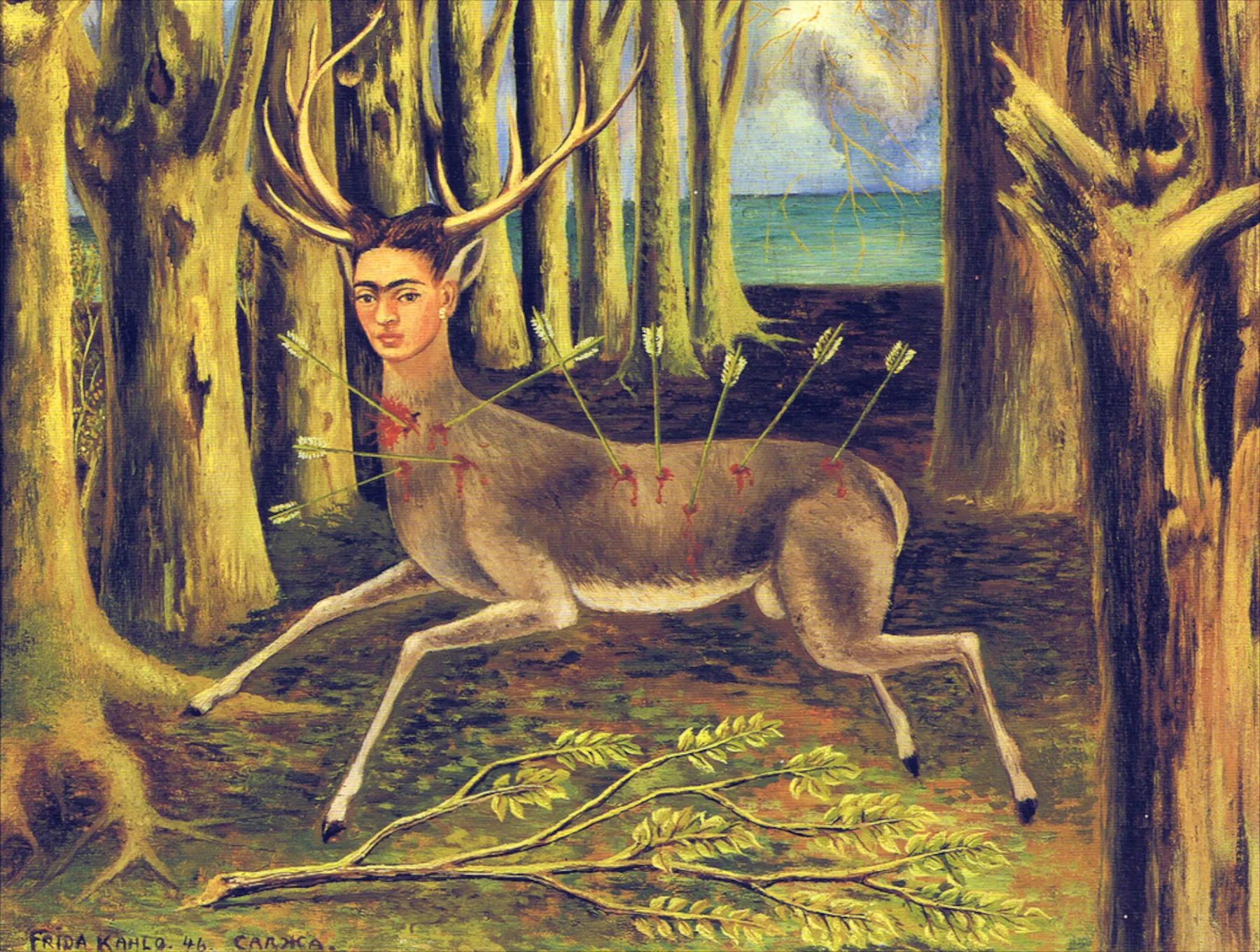
Beyond biography, Casa Azul functioned as an active creative laboratory where writing, painting, collecting, conversation, and political thought coexisted. Frida's workspace and domestic spaces were connected rather than separated, allowing ideas to flow from ordinary routines into artistic production. Meals, letters, pain management, sketches, and social gatherings all belonged to the same ecosystem.
This continuity between life and art is one reason visitors often find Casa Azul so moving. The museum does not present Frida as a distant genius locked behind glass. Instead, it reveals process: unfinished tensions, practical adaptations, and an everyday discipline behind iconic images. It reminds us that major art histories are often built in kitchens, courtyards, and bedrooms, not only in formal studios.
Mexico's cultural renaissance and Frida's role
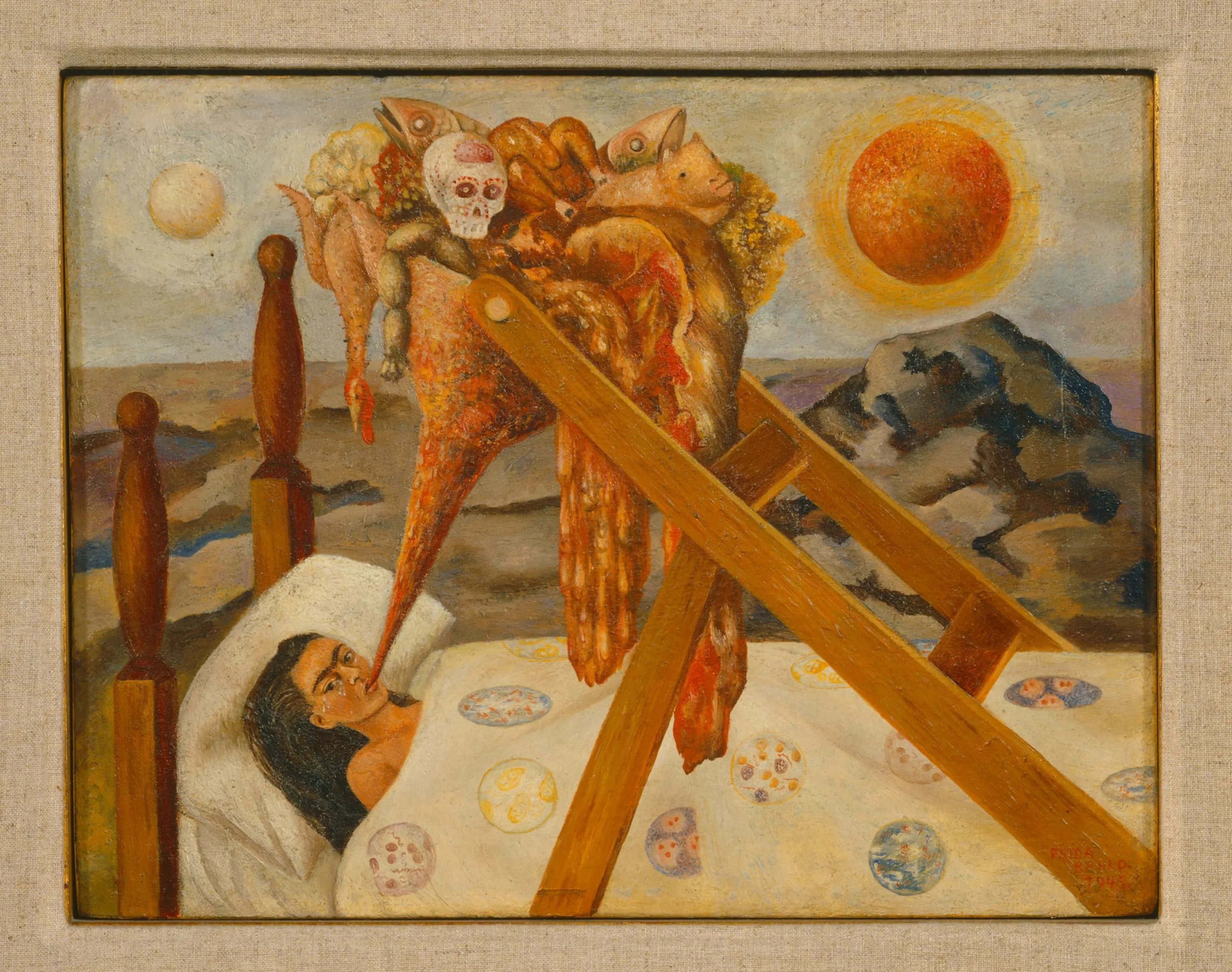
Frida's lifetime overlapped with a period when Mexico was redefining itself after revolution, and artists were central to that project. Public murals, educational reform, renewed interest in indigenous histories, and debates about modernity shaped the cultural climate. Diego Rivera became internationally associated with monumental public art, while Frida developed an intimate but no less political style grounded in body, symbolism, and Mexican visual traditions.
For decades, international audiences often framed Frida primarily in relation to Diego or surrealist narratives. Over time, scholarship, feminist art history, and curatorial work transformed that view, recognizing her as a major artist in her own right with a distinct intellectual and visual contribution. Casa Azul today reflects that rebalancing, presenting Frida not as a secondary figure but as a central voice in modern global art.
Final years and personal resilience
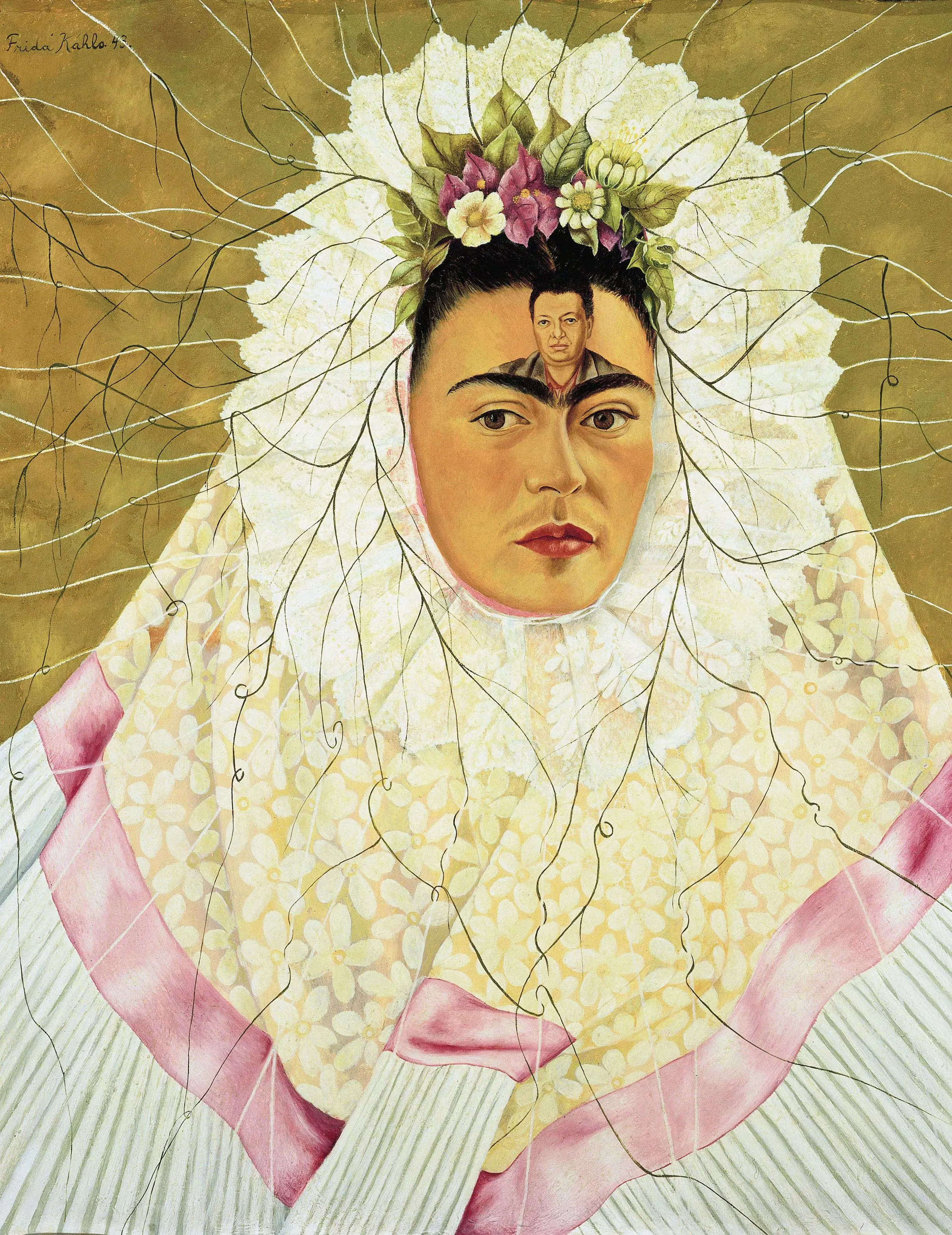
Frida's later years were marked by escalating health challenges, surgeries, and reduced mobility, yet also by remarkable persistence. She continued to paint, write, host friends, and engage politically even when daily life required extraordinary endurance. Casa Azul became both refuge and battleground, a place where pain was constant but so was creative will.
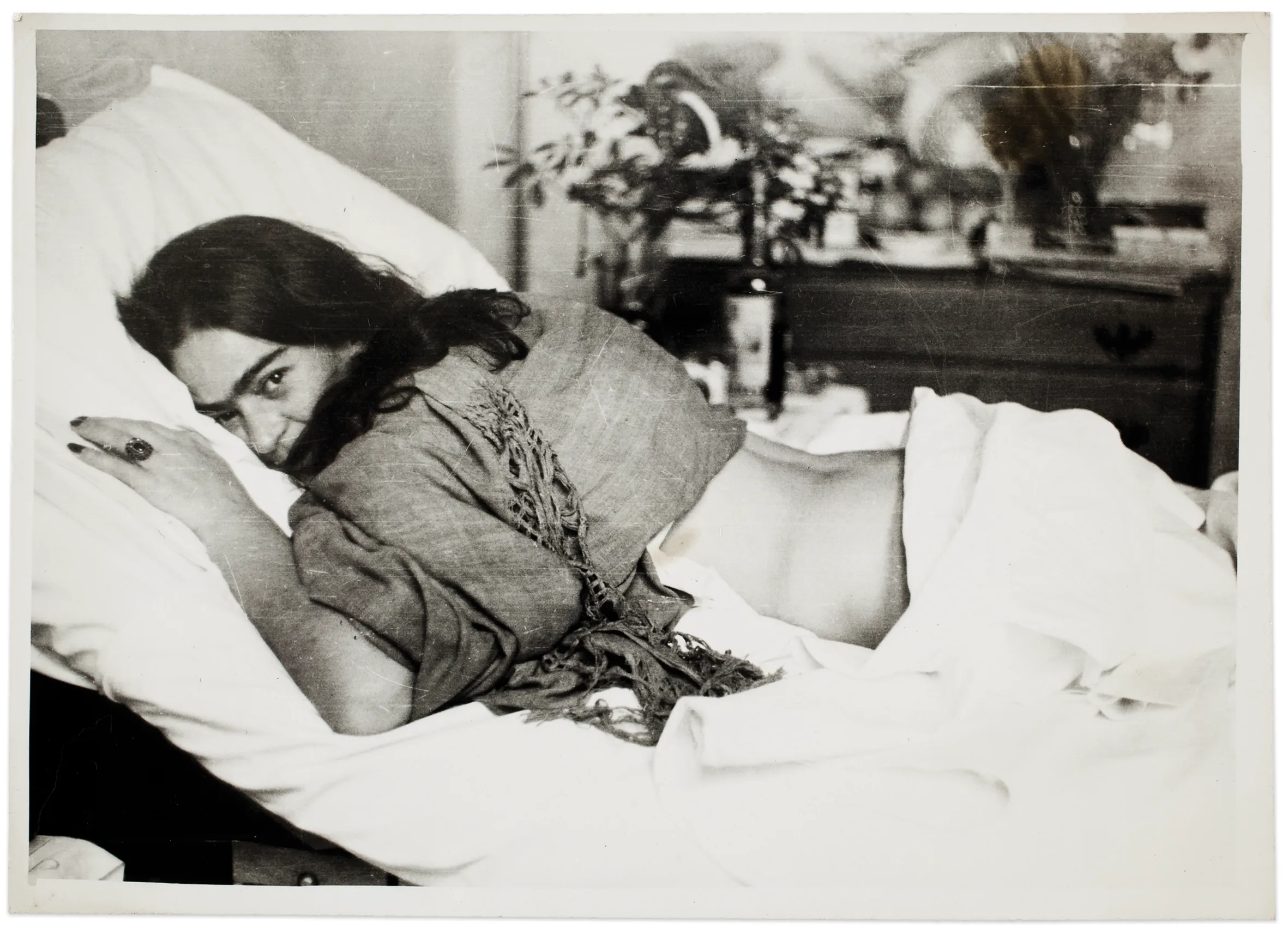
When visitors encounter her bed, medical devices, and personal objects, the emotional impact is immediate. These are not abstract symbols; they are material traces of a life lived with intensity under difficult conditions. Frida died in 1954, but the memory held by Casa Azul complicates simple narratives of tragedy. What emerges instead is a portrait of radical resilience and artistic clarity.
From private home to public museum
After Frida's death, Diego Rivera supported the transformation of Casa Azul into a museum to preserve her memory and make her world accessible to the public. The house opened as Museo Frida Kahlo and gradually became one of Mexico's most significant cultural destinations. Unlike many museums designed from scratch, Casa Azul retained the emotional geometry of a lived home, which is exactly what gives it its unique force.
Over the years, curators and conservators have worked to balance access with preservation. As visitor numbers grew globally, the challenge became how to protect fragile spaces while maintaining intimacy. Timed entry, conservation protocols, and careful exhibition planning are all part of this effort. The result is a museum that remains deeply personal even as it welcomes visitors from every continent.
What visitors see today
Today's visit to Casa Azul combines architecture, biography, and curated interpretation. You will encounter domestic rooms, archival photographs, letters, garments, and rotating selections that illuminate different chapters of Frida's life. The sequence is designed to be both informative and emotional, allowing each visitor to build a personal connection with the material.
Many visitors are surprised by how powerful the museum feels despite its modest scale. It is not overwhelming in size, but it is dense in meaning. Every room asks you to look carefully and connect details: color choices, object placement, medical traces, political references, and artistic decisions. In that sense, the museum rewards slowness and attention more than speed.
Conservation, archives, and legacy
Preserving Casa Azul involves continuous technical and ethical decisions. Conservators must stabilize organic materials, textiles, papers, and architectural elements in a climate with changing humidity and high visitor traffic. Archival research also continues to reveal new perspectives on Frida's life, correspondence, and working methods, ensuring the museum remains intellectually active rather than frozen in a single narrative.
Frida's global image has expanded enormously in recent decades, appearing in academic discourse, fashion, cinema, activism, and popular culture. Casa Azul plays a crucial role in grounding that visibility in documented history and material reality. By engaging with the museum responsibly, visitors participate in protecting not only objects but also the complexity of Frida's legacy beyond cliché.
Coyoacan beyond the museum
A visit to Casa Azul naturally extends into Coyoacan, where tree-lined streets, colonial-era architecture, small bookstores, artisanal markets, and relaxed plazas create a slower rhythm than central business districts. Many travelers combine the museum with local cafes, churro stops, and nearby cultural sites, turning a ticketed visit into a fuller neighborhood experience.
This broader context matters because Frida's story is inseparable from place. Coyoacan is not just a backdrop; it is part of the emotional and historical texture that shaped her life. Walking the area after the museum often helps visitors process what they have seen, connecting biography and cityscape in a more grounded and memorable way.
Why Casa Azul still resonates
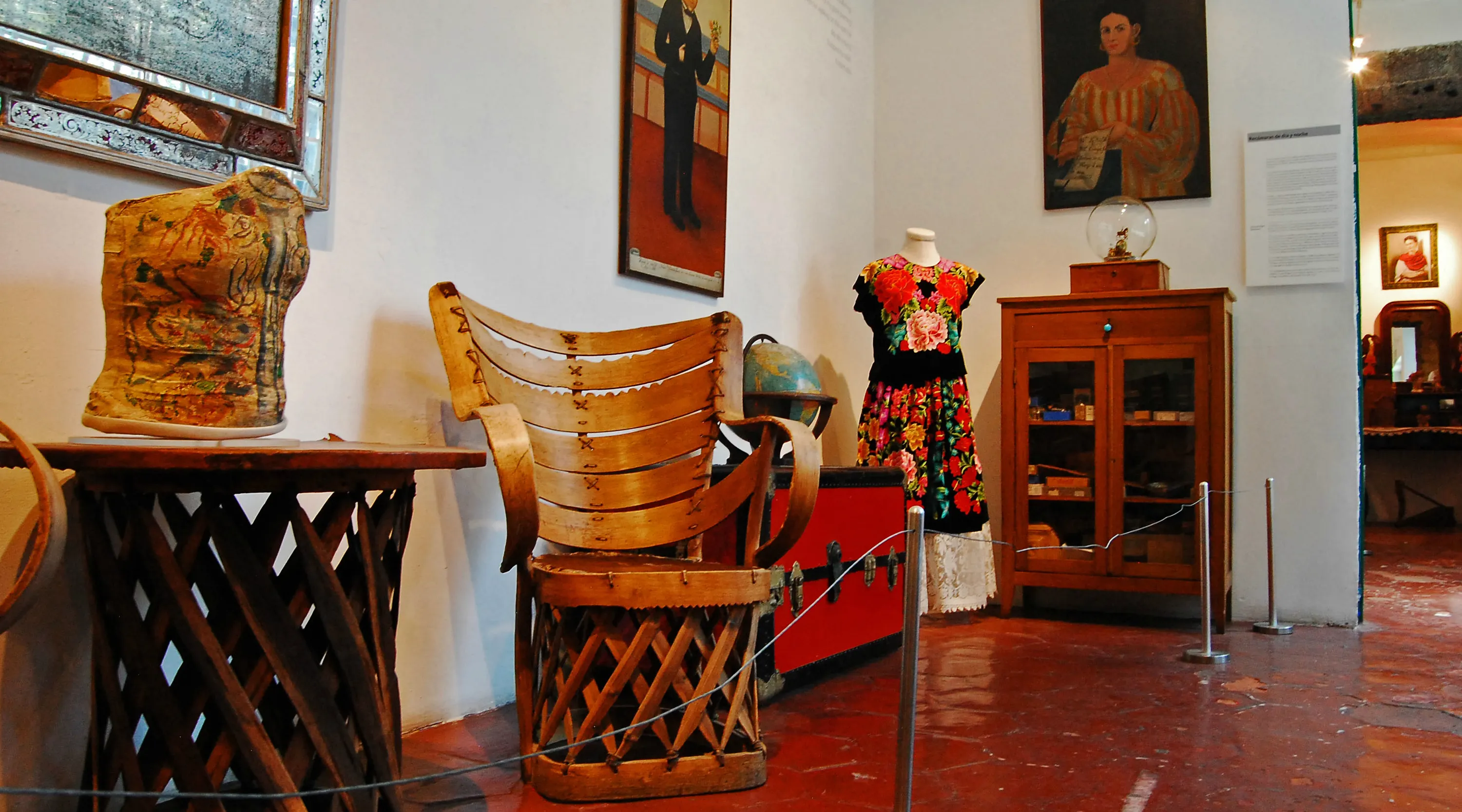
Casa Azul endures because it offers something rare in major cultural tourism: authenticity that still feels intimate. You do not just read about Frida Kahlo, you move through the spaces where she confronted illness, built identity, and transformed lived experience into art that speaks across generations. The house preserves contradiction without smoothing it out, and that honesty is part of its power.
For many visitors, the museum becomes a mirror as much as a destination. Frida's questions about body, belonging, pain, love, and self-representation remain intensely contemporary. Leaving Casa Azul, people often carry not only facts and photographs but a renewed sense of how art can hold complexity without reducing it. That is why the blue house in Coyoacan continues to matter, year after year.
Table of Contents
Casa Azul before Frida
Before it became one of the most visited artist homes in the world, Casa Azul was part of a quiet residential Coyoacan that still felt almost separate from the fast-growing capital. Built in the early 20th century by Frida's father, Guillermo Kahlo, the house reflected a middle-class family world marked by discipline, culture, and curiosity. Its thick walls, interior patios, and practical layout were designed for everyday life, not for mythology. Yet those ordinary rooms would eventually become the stage for one of modern art's most extraordinary biographies.
What makes Casa Azul so compelling today is that the building never fully abandoned that domestic spirit. Even as its story expanded from private house to national symbol, traces of family life remained: the rhythm of shared meals, the presence of books and photographs, and the feeling that personal memory lives in architecture. Visiting the museum now, you can sense both timelines at once, the intimate home and the cultural monument, layered together in a way that feels almost cinematic.
Frida's childhood and family roots
Frida Kahlo was born in 1907 and grew up in Casa Azul in a family where art, photography, language, and political discussion were present from an early age. Her father, a photographer of German-Hungarian origin, encouraged observation and visual sensitivity. Her mother brought a different cultural grounding linked to Mexican traditions and Catholic practices. That dual inheritance, international and deeply local, would later shape Frida's visual language and sense of self.
As a child, Frida survived polio, an experience that marked her physically and emotionally but also sharpened her determination. She was known for her intelligence, humor, and rebellious independence, traits that remained central throughout her life. In many ways, Casa Azul witnessed the formation of this strong and contradictory personality: vulnerable yet defiant, intimate yet performative, rooted in family yet always pushing beyond inherited expectations.
The accident that changed everything
In 1925, at just eighteen, Frida suffered a devastating bus accident that left her with severe injuries and lifelong chronic pain. The physical trauma transformed the course of her life. During long periods of immobilization, she began painting seriously, often using a mirror positioned above her bed. What started as a practical way to pass painful months became a radical artistic voice that placed her own body and identity at the center of modern painting.
This turning point is essential to understanding both Frida and Casa Azul. The house became not only a place of recovery but also a site of invention, where medical reality, emotional struggle, and creative experimentation merged. Her braces, corsets, and adapted furniture, some preserved in museum displays, are not just biographical details. They are evidence of how Frida converted suffering into language, image, and symbolic power.
Frida and Diego: love, art, and politics
Frida married muralist Diego Rivera in 1929, beginning one of the most famous and turbulent artistic partnerships of the 20th century. Their relationship was filled with admiration, collaboration, infidelity, separation, reunion, and relentless creative exchange. They lived in different houses at various moments, but Casa Azul remained emotionally central, especially in Frida's later years.
Together, Frida and Diego moved within circles of artists, intellectuals, and political activists who believed art should speak to social reality, indigenous heritage, and anti-colonial identity. Their home welcomed visitors from around the world, including major cultural and political figures. At Casa Azul, personal life and public ideology were never fully separate, and that fusion still defines the museum's atmosphere today.
Pain, identity, and self-portraiture
Frida's work is often introduced through her self-portraits, but those paintings are far more than autobiography. They are carefully constructed visual essays about gender, nation, disability, desire, grief, and survival. She painted herself repeatedly not from vanity, as she famously said, but because she was the subject she knew best. Every gaze, costume, animal symbol, and landscape element carried intentional meaning.
Inside Casa Azul, these themes feel tangible. You can see the textures, colors, and objects that informed her imagery: Tehuana dresses, folk crafts, religious icons, botanical forms, and fragments of pre-Hispanic aesthetics. The museum makes clear that Frida's identity was never static. It was something she performed, questioned, and reinvented, turning private experience into a universal visual language that still resonates across cultures.
Casa Azul as a creative laboratory
Beyond biography, Casa Azul functioned as an active creative laboratory where writing, painting, collecting, conversation, and political thought coexisted. Frida's workspace and domestic spaces were connected rather than separated, allowing ideas to flow from ordinary routines into artistic production. Meals, letters, pain management, sketches, and social gatherings all belonged to the same ecosystem.
This continuity between life and art is one reason visitors often find Casa Azul so moving. The museum does not present Frida as a distant genius locked behind glass. Instead, it reveals process: unfinished tensions, practical adaptations, and an everyday discipline behind iconic images. It reminds us that major art histories are often built in kitchens, courtyards, and bedrooms, not only in formal studios.
Mexico's cultural renaissance and Frida's role
Frida's lifetime overlapped with a period when Mexico was redefining itself after revolution, and artists were central to that project. Public murals, educational reform, renewed interest in indigenous histories, and debates about modernity shaped the cultural climate. Diego Rivera became internationally associated with monumental public art, while Frida developed an intimate but no less political style grounded in body, symbolism, and Mexican visual traditions.
For decades, international audiences often framed Frida primarily in relation to Diego or surrealist narratives. Over time, scholarship, feminist art history, and curatorial work transformed that view, recognizing her as a major artist in her own right with a distinct intellectual and visual contribution. Casa Azul today reflects that rebalancing, presenting Frida not as a secondary figure but as a central voice in modern global art.
Final years and personal resilience
Frida's later years were marked by escalating health challenges, surgeries, and reduced mobility, yet also by remarkable persistence. She continued to paint, write, host friends, and engage politically even when daily life required extraordinary endurance. Casa Azul became both refuge and battleground, a place where pain was constant but so was creative will.
When visitors encounter her bed, medical devices, and personal objects, the emotional impact is immediate. These are not abstract symbols; they are material traces of a life lived with intensity under difficult conditions. Frida died in 1954, but the memory held by Casa Azul complicates simple narratives of tragedy. What emerges instead is a portrait of radical resilience and artistic clarity.
From private home to public museum
After Frida's death, Diego Rivera supported the transformation of Casa Azul into a museum to preserve her memory and make her world accessible to the public. The house opened as Museo Frida Kahlo and gradually became one of Mexico's most significant cultural destinations. Unlike many museums designed from scratch, Casa Azul retained the emotional geometry of a lived home, which is exactly what gives it its unique force.
Over the years, curators and conservators have worked to balance access with preservation. As visitor numbers grew globally, the challenge became how to protect fragile spaces while maintaining intimacy. Timed entry, conservation protocols, and careful exhibition planning are all part of this effort. The result is a museum that remains deeply personal even as it welcomes visitors from every continent.
What visitors see today
Today's visit to Casa Azul combines architecture, biography, and curated interpretation. You will encounter domestic rooms, archival photographs, letters, garments, and rotating selections that illuminate different chapters of Frida's life. The sequence is designed to be both informative and emotional, allowing each visitor to build a personal connection with the material.
Many visitors are surprised by how powerful the museum feels despite its modest scale. It is not overwhelming in size, but it is dense in meaning. Every room asks you to look carefully and connect details: color choices, object placement, medical traces, political references, and artistic decisions. In that sense, the museum rewards slowness and attention more than speed.
Conservation, archives, and legacy
Preserving Casa Azul involves continuous technical and ethical decisions. Conservators must stabilize organic materials, textiles, papers, and architectural elements in a climate with changing humidity and high visitor traffic. Archival research also continues to reveal new perspectives on Frida's life, correspondence, and working methods, ensuring the museum remains intellectually active rather than frozen in a single narrative.
Frida's global image has expanded enormously in recent decades, appearing in academic discourse, fashion, cinema, activism, and popular culture. Casa Azul plays a crucial role in grounding that visibility in documented history and material reality. By engaging with the museum responsibly, visitors participate in protecting not only objects but also the complexity of Frida's legacy beyond cliché.
Coyoacan beyond the museum
A visit to Casa Azul naturally extends into Coyoacan, where tree-lined streets, colonial-era architecture, small bookstores, artisanal markets, and relaxed plazas create a slower rhythm than central business districts. Many travelers combine the museum with local cafes, churro stops, and nearby cultural sites, turning a ticketed visit into a fuller neighborhood experience.
This broader context matters because Frida's story is inseparable from place. Coyoacan is not just a backdrop; it is part of the emotional and historical texture that shaped her life. Walking the area after the museum often helps visitors process what they have seen, connecting biography and cityscape in a more grounded and memorable way.
Why Casa Azul still resonates
Casa Azul endures because it offers something rare in major cultural tourism: authenticity that still feels intimate. You do not just read about Frida Kahlo, you move through the spaces where she confronted illness, built identity, and transformed lived experience into art that speaks across generations. The house preserves contradiction without smoothing it out, and that honesty is part of its power.
For many visitors, the museum becomes a mirror as much as a destination. Frida's questions about body, belonging, pain, love, and self-representation remain intensely contemporary. Leaving Casa Azul, people often carry not only facts and photographs but a renewed sense of how art can hold complexity without reducing it. That is why the blue house in Coyoacan continues to matter, year after year.